



Stop the Encroachment of Invasive Cattails
Expert Mechanical Removal Services in Brenham, Bryan, and the Brazos Valley
Cattails Maintenance & Removal
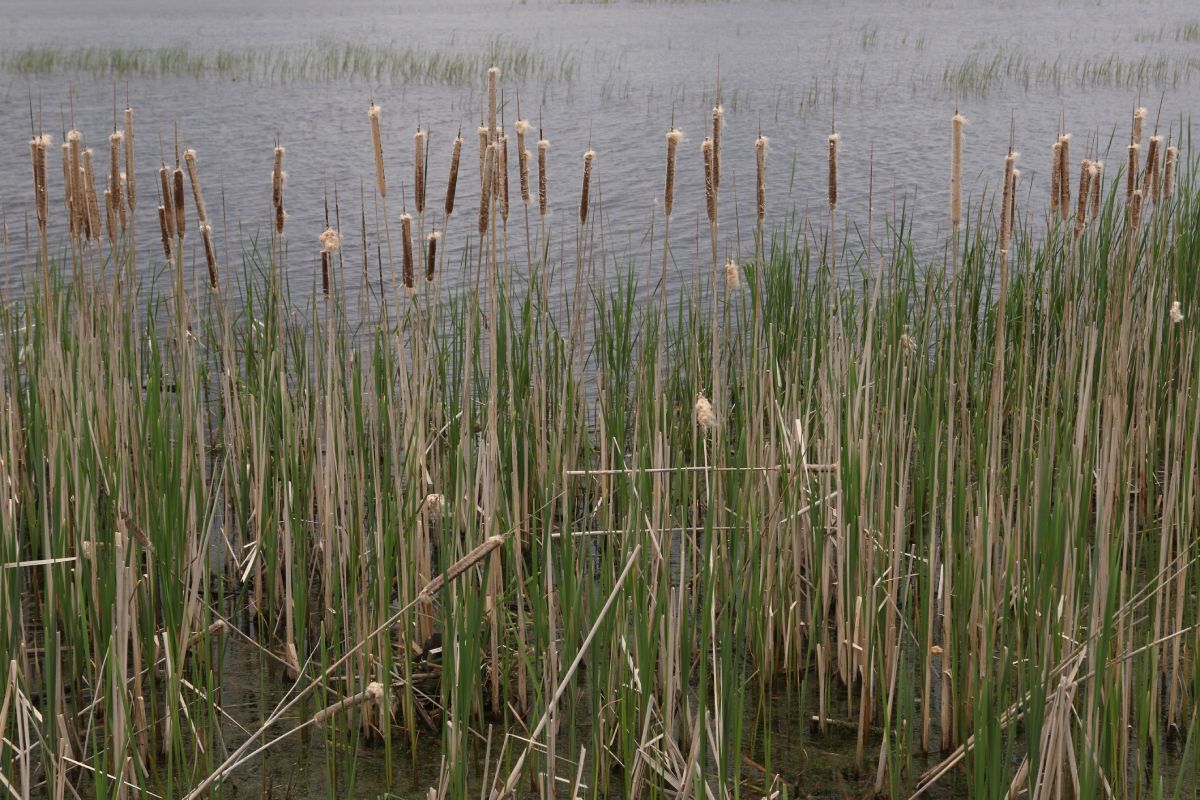
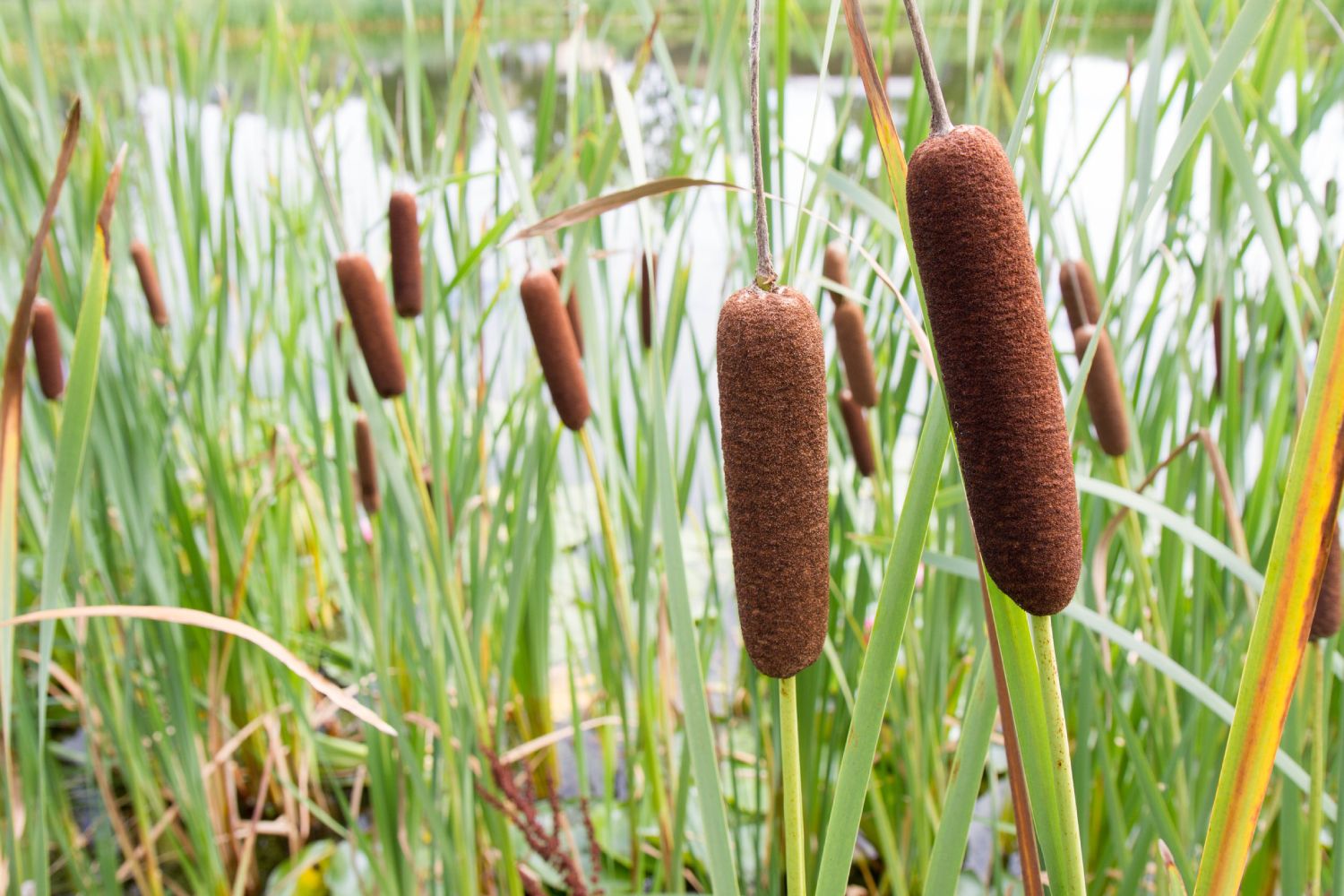
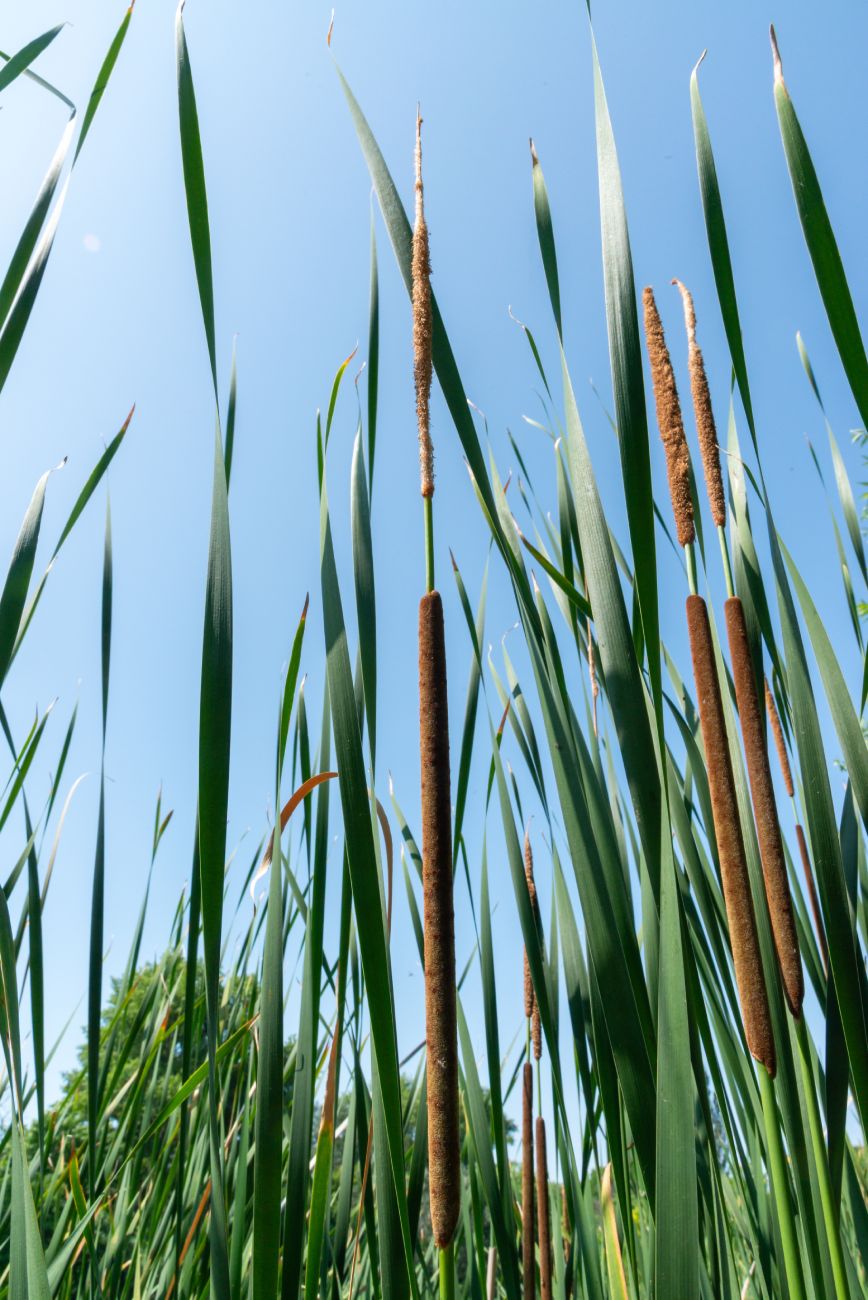
In the nutrient-rich soils of Central Texas, native and invasive cattails can expand their footprint by several feet each season. For property owners in Brenham, Bryan, and College Station, this overgrowth creates a physical barrier that restricts water access, hides potential hazards like snakes, and traps floating debris. Simply cutting them at the surface is a temporary fix, as the massive underground rhizome systems remain intact, leading to even denser regrowth. Furthermore, chemical-only treatments leave behind "standing dead" stalks that eventually collapse into the water, contributing to muck accumulation and foul odors.

Testimonials
Water Wizard utilizes a high-impact Mechanical Removal Strategy to provide immediate and lasting results for Central Texas water bodies. Using our specialized Amphibious Truxor machinery, we don't just trim the vegetation; we physically extract the stalks and the dense root mats from the shoreline. This process, known as Hydro-raking, pulls the organic matter out of the ecosystem entirely, preventing it from decomposing into "black muck" on your pond bottom. By removing the physical biomass, we restore your view and your water access in a single visit, providing an eco-friendly solution that is safe for the diverse wildlife of the Brazos Valley.

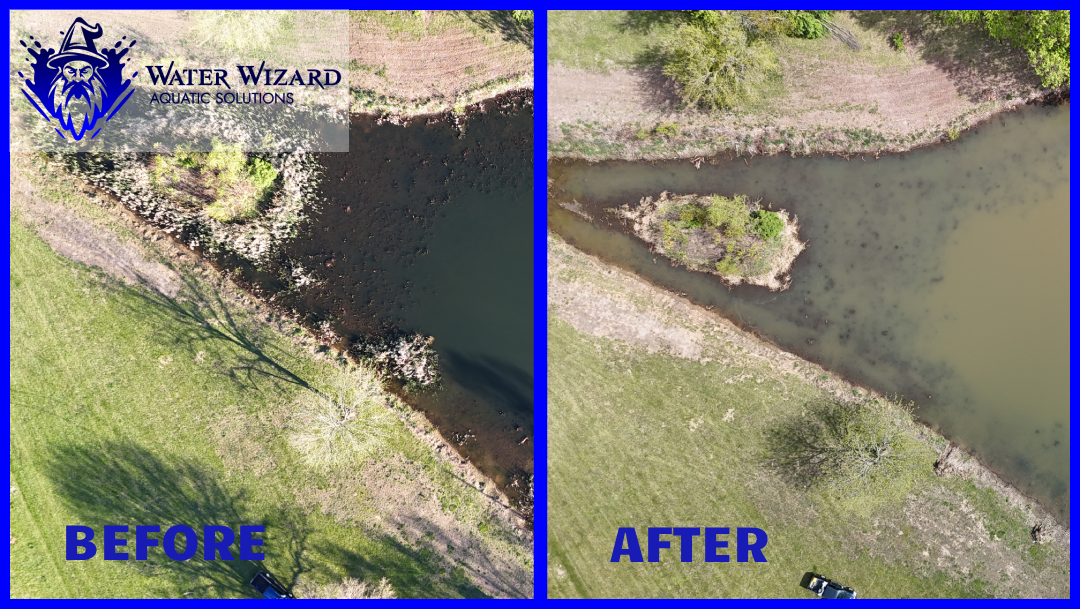
Texas Cattail Restoration Gallery
See the difference our mechanical harvesting makes for Brenham area ranch ponds and residential lakes. We turn impenetrable cattail walls back into clean, usable, and aesthetically pleasing waterfronts.



Serving Brenham, the Brazos Valley, and Central Texas
Based in Washington County, Water Wizard provides specialized aquatic care across the Central Texas region. Our primary service areas include Brenham, Bryan/College Station, Hempstead, Bastrop, Austin, and Temple. We are experts in managing the specific aquatic challenges of the Texas Post Oak Savannah and Blackland Prairie ecoregions.